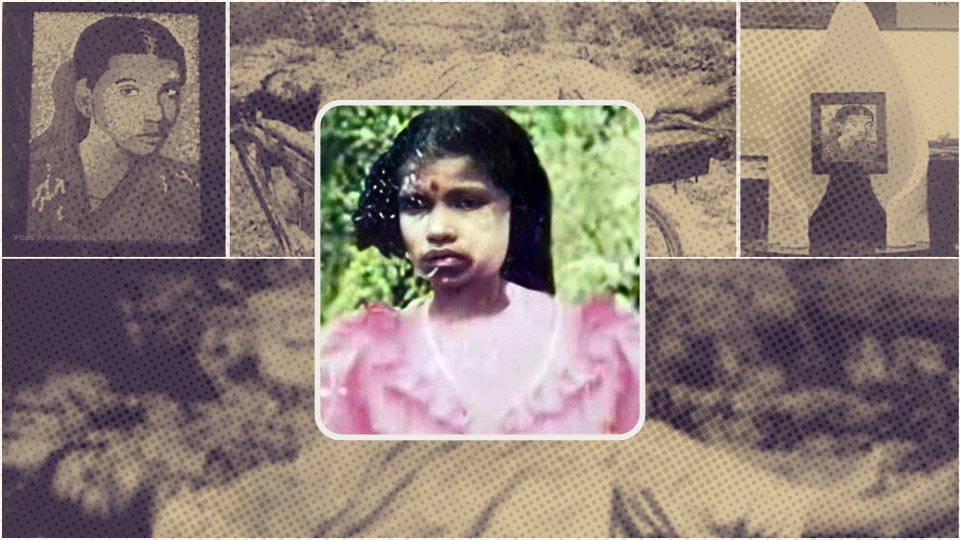
On August 24, 1995, a young domestic worker was raped and murdered by policemen in Dinajpur. The ensuing public outrage and state crackdown claimed seven more lives, solidifying the tragedy as a defining chapter in Bangladesh’s fight for institutional accountability and women’s safety.
A Journey That Never Ended
In the early hours of August 24, 1995, a teenage girl named Yasmin stepped down from a Thakurgaon-bound night coach at the Dashmile intersection in Dinajpur. She had spent months working as a domestic helper in Dhaka and was finally returning home to her village.
Reports have differed on her exact age—some citing 13, others 14 or 16—but contemporary accounts all described a young girl traveling alone in the dark. Seeing her by herself before sunrise, local roadside shopkeepers advised her to wait until daylight before continuing the final leg of her journey.
Shortly before dawn, a patrol pickup from the Dinajpur Kotwali Police Station pulled up. The officers offered her a lift, promising to drop her off safely at home. Yasmin got into the vehicle.
She never made it home. Hours later, her lifeless body was found dumped beside the highway. Subsequent criminal investigations and judicial proceedings proved that Assistant Sub-Inspector (ASI) Moinul Haque, Constable Abdus Sattar, and pickup driver Amrit Lal Barman had gang-raped and killed her before abandoning her body by the road.
From Grief to Mass Resistance
The discovery of Yasmin’s body on the morning of August 24 sent shockwaves across Dinajpur. What began as local grief swiftly turned into an uncontrollable wave of public fury.
By the night of August 26, thousands of residents converged on the Dinajpur Kotwali Police Station, demanding immediate action against the culprits. By the following morning, August 27, the entire town ground to a halt. A mammoth procession took to the streets to submit a memorandum to the Deputy Commissioner, calling for the arrest and capital punishment of the killers, alongside the removal of top administrative officials who were accused of shielding the perpetrators.
August 27: Bloodshed in the Streets
As the demonstrators approached the administrative district, the situation spiralled out of control. Police charged the crowd with batons and opened live fire.
Seven protesters—including Samu, Kader, and Siraj—were killed on the spot. More than a hundred people were injured, with some independent reports estimating the number of wounded at over three hundred.
The killings ignited an explosive reaction. Public order collapsed entirely across Dinajpur as angry crowds attacked and set fire to police outposts, official vehicles, and several public offices. Local police forces retreated from the streets as civic unrest paralyzed the district.
Curfew, Section 144, and Paramilitary Deployment
To regain control, the district administration imposed Section 144 and declared a round-the-clock curfew that lasted for three days. With local police completely compromised and withdrawn from duty, the government deployed troops from the then Bangladesh Rifles (BDR) to patrol the streets and restore order.
The unrest occurred under the administration of the then BNP-led government of Prime Minister Khaleda Zia. As public pressure mounted, the government withdrew both the Deputy Commissioner (DC) and the Superintendent of Police (SP) of Dinajpur.
A Landmark Verdict, Yet Incomplete Justice
The murder of Yasmin led to a landmark trial. On August 31, 1997, a Special Court in Rangpur sentenced ASI Moinul Haque, Constable Abdus Sattar, and driver Amrit Lal Barman to death for rape and murder. Following an exhaustive appeals process, the sentences were upheld, and all three men were executed by hanging at Rangpur Central Jail on September 1, 2004.
However, the legal aftermath of the August 27 police firing told a very different story. While the direct perpetrators of Yasmin’s murder faced the gallows, the cases filed against the administrative and police officials responsible for ordering live ammunition against unarmed protesters remained stalled in procedural delays for decades.
The Enduring Legacy
More than three decades later, the Yasmin tragedy remains an indelible turning point in Bangladesh’s social and legal history.
The tragedy exposed the grave vulnerability of working-class women and laid bare the dangers of unchecked state power. In response, ordinary citizens chose collective resistance over silence. Today, August 24 is remembered not only as a solemn anniversary of a young life brutally cut short, but as National Women’s Safety Day—a permanent reminder of the public’s resolve to demand justice, safety, and accountability from those sworn to protect them.
By Abir Bin Jabed