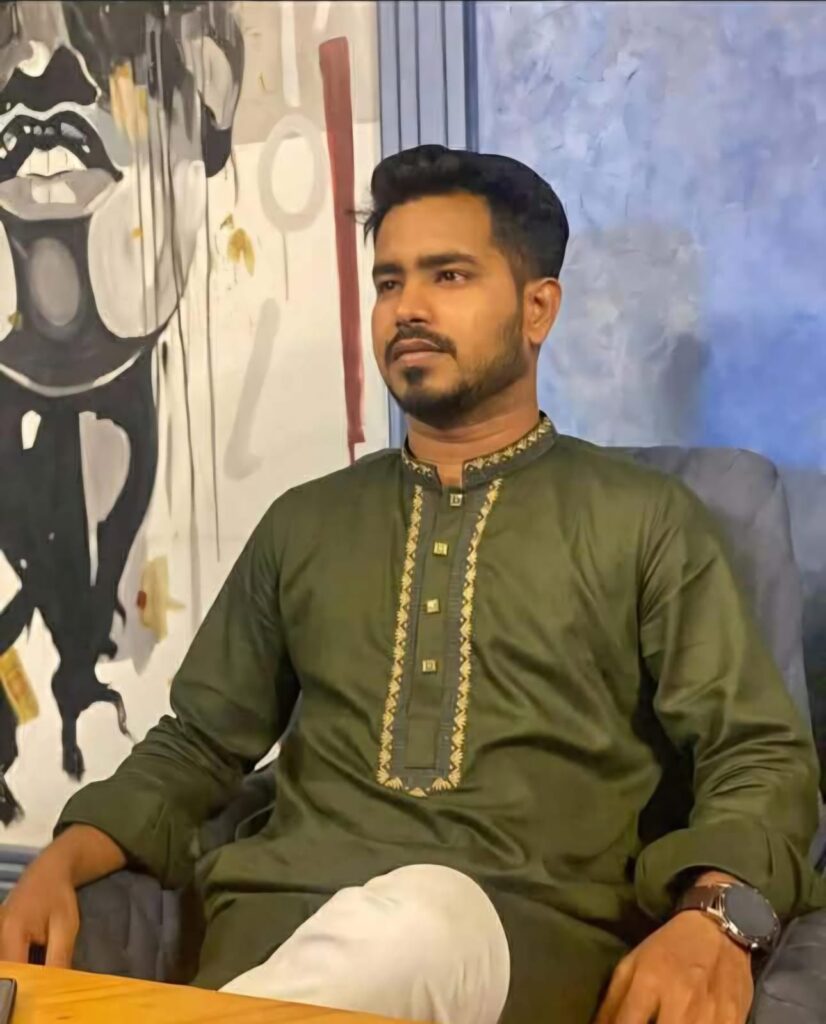
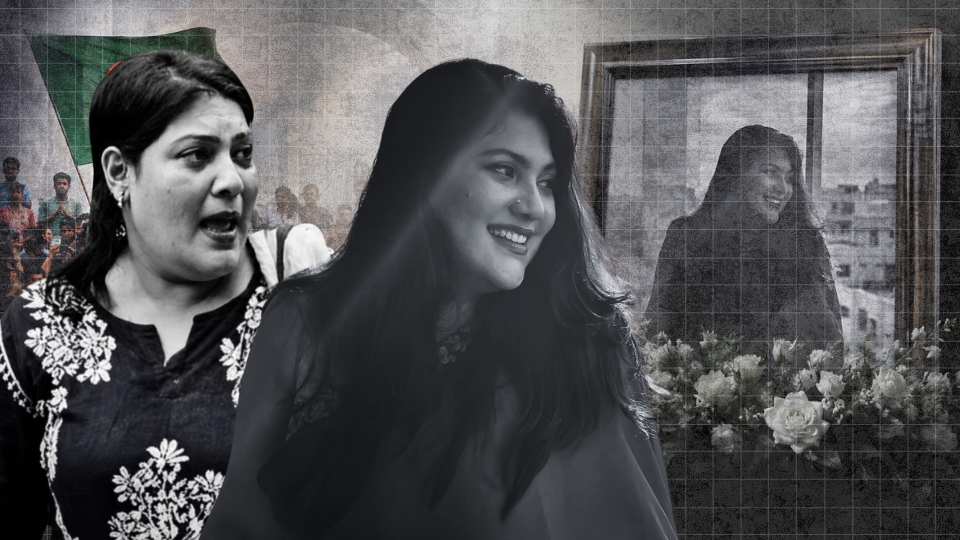
Bangladeshi content creator and actress Karina Kaisar, known for her outspoken role in cultural resistance movements and anti-government protests, died on Friday, May 16, while undergoing treatment in India for severe liver complications, her family said.
Her death was confirmed by her father, former Bangladesh national football team player Kaiser Hamid.
Karina had been receiving treatment in Chennai after her condition deteriorated following a serious infection linked to hepatitis A and E, according to family members. She was later transferred to Christian Medical College where doctors had begun treatment for lung complications while preparing for a possible liver transplant.
Speaking to local media, Kaiser Hamid said doctors made extensive efforts to save his daughter after her blood pressure suddenly dropped while antibiotics were being administered to her lungs.
“Her blood pressure dropped sharply during the antibiotic procedure for her lungs. The doctors tried their best, but in the end they could not save her,” he said.
Family sources said Karina first developed a fever several days earlier before infections were detected in her body. Her condition worsened rapidly due to liver failure caused by hepatitis-related complications. She was initially placed on life support at a private hospital in Dhaka before being airlifted to India last Monday night for advanced treatment.
Karina Kaisar rose to prominence as a content creator whose lively social media presence and relatable content earned her a strong following among young audiences in Bangladesh. In recent years, she had expanded into acting and scriptwriting, building a growing career in television dramas and OTT productions.
During the turbulent days of the July uprising, Karina became known as a vocal critic of what she described as repression, persecution and mass killings carried out under former Prime Minister Sheikh Hasina. She actively participated in cultural resistance movements and joined street protests demanding the fall of Hasina’s government.
Although she had once appeared publicly alongside Sheikh Hasina, Karina later took a firm stance against alleged injustice and repression, becoming an active figure in protest movements that drew widespread public attention.
Her sudden death has triggered an outpouring of grief across Bangladesh’s cultural community, with fellow actors, directors and supporters describing her as a “fearless voice,” “symbol of resistance” and “struggling artist.”
At the same time, reactions on social media have turned contentious, with many users criticizing supporters of the now-banned Awami League after several activists allegedly posted hostile comments following news of her death.
One Facebook user wrote, “Today the Awami League is celebrating Karina Kaisar’s death. Tomorrow they will celebrate yours or mine. The Awami League must face justice. If they return to politics without accountability, there will be even greater massacres.”
Various political, social and cultural organizations have expressed deep condolences over Karina’s death, calling her passing an irreparable loss for Bangladesh’s cultural sphere.